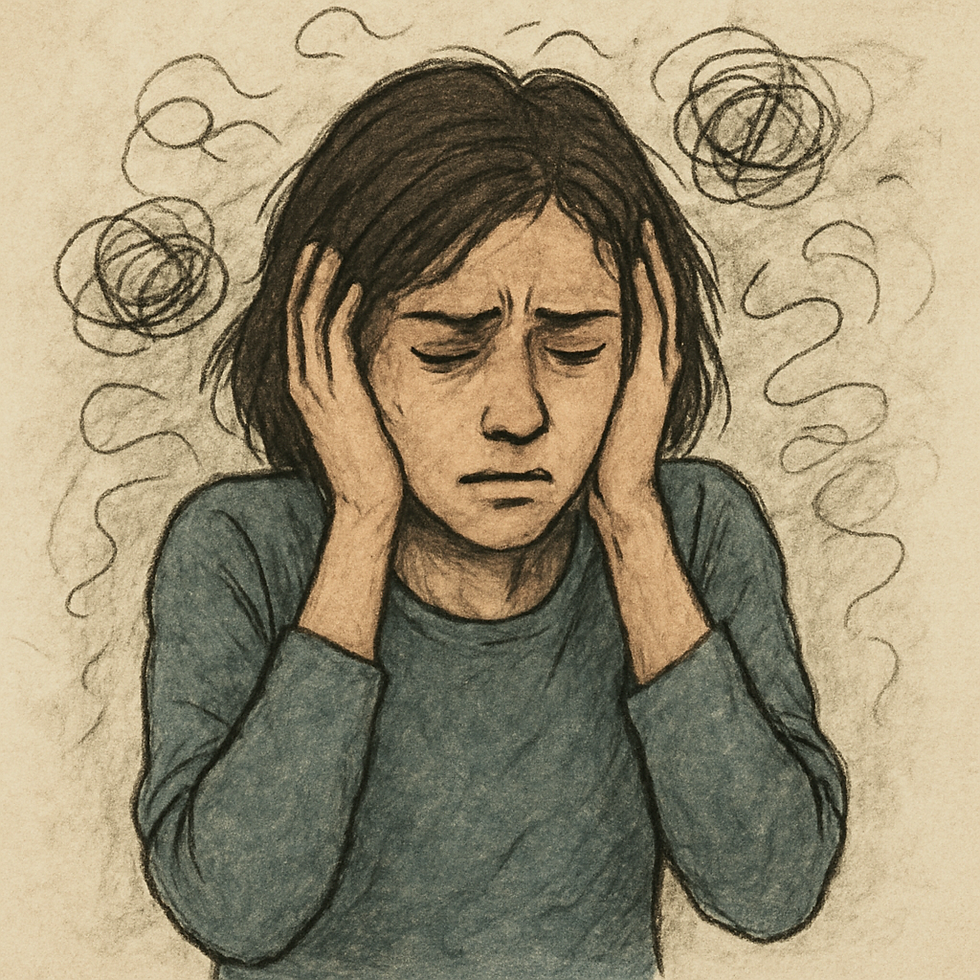
How to Deal with Depression: Signs, Treatment, and Coping
- May 11, 2025
- 2 min read

Depression is more than a rough patch or a case of the blues. It's a serious but treatable mental health condition that affects how people feel, think, and carry out daily activities. Roughly 1 in 6 people will experience depression at some point in their lives, making it one of the most common mental health issues worldwide. Many people ask how to deal with depression day to day; practical coping tips and professional care can make a real difference.
What Does Depression Feel Like?
While everyone's experience is different, common symptoms include:
Persistent sadness or low mood
Loss of interest in activities once enjoyed
Fatigue or lack of energy
Changes in appetite or weight
Sleep problems—either too much or too little
Difficulty concentrating or making decisions
Feelings of guilt, hopelessness, or worthlessness
Thoughts of death or suicide
Some people experience high functioning depression, where they continue meeting daily responsibilities while feeling persistently low, which can make it harder to recognize.
If you notice several of these symptoms lasting more than two weeks, it may be time to seek support.
The good news is that depression is highly treatable. Depression treatment often involves a combination of approaches tailored to the individual:
Therapy: Cognitive Behavioral Therapy (CBT), interpersonal therapy, and other evidence-based modalities can help shift thought patterns and improve coping.
Medication: Antidepressants can help rebalance brain chemistry, especially when symptoms are moderate to severe.
Lifestyle Support: Small, daily changes can make a meaningful impact.
Here are a few strategies that can help manage depression symptoms:
Stay connected: Isolation can worsen depression. Reach out to friends, family, or a support group.
Move your body: Even a short daily walk can boost mood by increasing endorphins.
Get some sun: Natural light helps regulate mood-related brain chemicals.
Track your mood: Journaling can help you recognize patterns and triggers.
Prioritize rest: Sleep and mental health are closely linked.
Fuel your body: Eating balanced meals supports both physical and emotional health.
Try mindfulness or meditation: Even a few minutes a day can reduce stress.
How to deal with depression and when to reach out
If you're struggling with symptoms of depression—or if someone you care about is—it's important to know that help is available. Talking to a mental health professional can be the first step toward recovery. If you're wondering how to help someone with depression, begin by listening without judgment, encouraging professional support, and offering practical help with everyday tasks.
Depression is not a weakness, and you're not alone. Healing is possible, and support is just a conversation away. If you're struggling, contact our office today and get your personalised depression treatment plan.