Effective Grounding Techniques and Coping Skills for Anxiety

Anxiety can feel overwhelming, but grounding techniques for anxiety offer relief. These methods help anchor you in the present moment.
By focusing on the here and now, grounding techniques can reduce anxious thoughts. They are practical tools for managing anxiety.
Different types of anxiety, like social or generalized anxiety, can benefit from grounding. These techniques are versatile and adaptable.
Grounding techniques can be physical, mental, or emotional. They provide a range of coping skills for anxiety.
From deep breathing to visualization, these methods are easy to incorporate into daily life. They empower individuals to take control.
Understanding and practicing grounding techniques can enhance mental well-being. They are a valuable part of anxiety management.
Understanding Anxiety and Its Impact
Anxiety affects millions worldwide, influencing daily life and well-being. It manifests in many ways, often causing emotional distress.
The physical symptoms can include a racing heart, sweating, and tension. These can be uncomfortable and sometimes frightening.
Understanding anxiety involves recognizing both its emotional and physical impact. Awareness can lead to more effective management.
There are several types of anxiety, each with unique features. Common types include:
Generalized anxiety disorder
Social anxiety
Panic disorder
Being informed about these types helps individuals tailor their coping skills for anxiety. Knowledge empowers people to seek appropriate support.
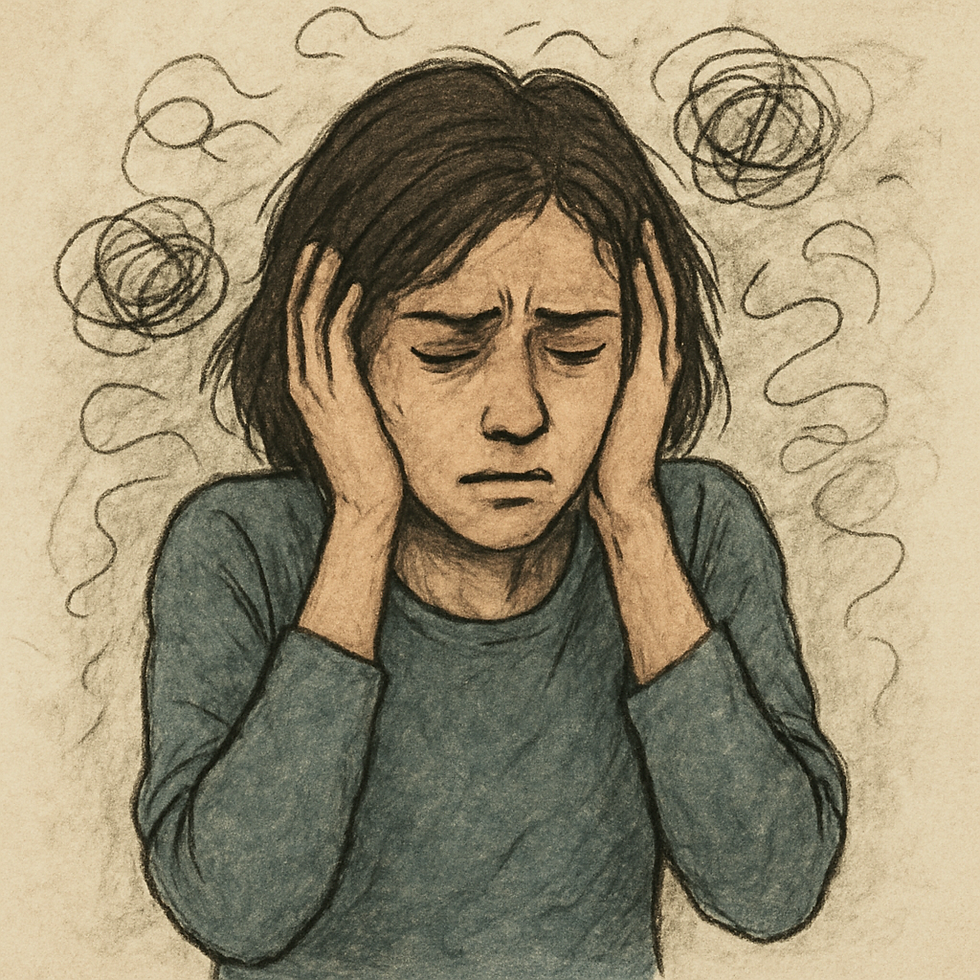
Recognizing anxiety's impact is the first step toward healing. Grounding techniques offer a pathway to regain control and improve mental health.
What Are Grounding Techniques?
Grounding techniques are practical strategies that focus on the present moment. They help redirect attention away from anxiety-inducing thoughts.
These techniques can be adapted to fit different needs and preferences. They are versatile and accessible to most people, making them effective grounding techniques for anxiety.
Grounding techniques can be categorized into three main types:
Physical Grounding: Involves bodily movement or sensation.
Mental Grounding: Focuses on specific thoughts or cognitive exercises.
Emotional Grounding: Helps process and manage feelings.
Using these techniques helps individuals reduce anxiety. They offer relief by fostering a sense of calm and focus.
Types of Anxiety and When to Use Grounding
Anxiety can manifest in various ways, affecting people differently. Some common types include generalized anxiety disorder, social anxiety, and panic disorder.
Each type of anxiety may benefit from grounding techniques in different situations. Recognizing when to use grounding can enhance their effectiveness.
Here are moments when grounding techniques might be beneficial:
During a panic attack.
Before a stressful social situation.
When worrying thoughts become overwhelming.
Understanding the type of anxiety you face is crucial. This awareness helps in selecting the most suitable grounding methods. Tailoring techniques to personal needs increases their impact on reducing anxiety symptoms.

How Grounding Techniques Work
Grounding techniques work by redirecting your focus to the present. They help anchor your mind to the here and now.
Anxiety often thrives on future worries or past regrets. Grounding pulls you back from these spiraling thoughts.
By shifting attention, grounding reduces the power of anxious feelings. This way, it provides immediate relief and fosters a sense of calm. Understanding this process can be empowering. It enables you to regain control whenever anxiety strikes.
Physical Grounding Techniques
Physical grounding techniques engage your senses to anchor you in reality. They can quickly help manage anxiety symptoms.
Tactile methods involve feeling objects or textures. Holding a smooth stone can direct your focus outward.
For auditory grounding, listen to your surroundings. Note the different sounds you hear, one at a time.
Here's a quick list of physical grounding options:
Walking barefoot on grass or sand
Sipping a hot or cold drink
Splashing water on your face
Engaging your physical senses pulls you away from your thoughts. It's a simple yet effective strategy.
Experimenting with different techniques can reveal what works best for you. Adapt them to your preferences for optimal results.

The 5-4-3-2-1 Sensory Exercise
The 5-4-3-2-1 exercise is a sensory-based grounding method. It involves focusing on your five senses.
This technique begins by identifying five things you can see. Next, acknowledge four items you can touch.
Continue by listening for three distinct sounds. Then, notice two scents around you.
Finally, focus on one thing you can taste. Here's a simple checklist to follow:
5 things seen
4 things touched
3 sounds heard
2 scents smelled
1 taste
This exercise shifts your attention and calms your mind. It redirects focus from anxiety-inducing thoughts.
Deep Breathing and Progressive Muscle Relaxation
Deep breathing is a powerful tool for calming anxiety. It targets the nervous system directly.
Begin by inhaling slowly through your nose. Hold the breath for a count of four.
Exhale gently through your mouth for six counts. Here's a simple breathing exercise to try:
Inhale for four counts
Hold for four counts
Exhale for six counts
Progressive muscle relaxation involves tensing and releasing different muscle groups. Focus on each group from head to toe.
This technique reduces physical tension tied to anxiety. It can help improve overall relaxation with regular practice.
Movement and Exercise
Movement can significantly reduce anxiety. Even light exercise can help manage symptoms effectively.
Engage in activities like stretching or yoga. These not only ground you but also offer health benefits.
Here's a list of movement activities for grounding:
Walking outdoors
Dancing to music
Light stretching exercises
The endorphins from exercise combat stress hormones. Regular movement aids in maintaining a balanced mental state.
Choose activities you enjoy to incorporate them easily. The goal is to make movement a habit for ongoing relief.
Mental and Emotional Grounding Techniques
Mental and emotional grounding techniques focus on redirecting your thoughts. They help in processing emotions more effectively.
Mental techniques often involve engaging the mind through exercises. Counting backward from 100 is one example.
Emotional grounding techniques focus on identifying what you feel. Naming your emotions can have a stabilizing effect.
Here's a list of mental and emotional grounding strategies:
Counting exercises
Positive affirmations
Emotion identification
These techniques redirect your mental focus from anxiety. They also promote emotional balance and self-awareness.
Practicing these methods regularly can deepen their impact. Customize them to fit your lifestyle and needs.
Visualization and Mindfulness
Visualization creates a mental sanctuary. Picture yourself in a calm, serene setting to ease anxiety.
Mindfulness urges you to live in the moment. It involves acceptance and awareness without judgment.
Here's how to practice visualization and mindfulness:
Imagine a peaceful scene
Focus on your breathing
Observe your thoughts without reaction
These methods shift focus from stressors to tranquility. With consistent practice, they become more effective.
Over time, mindfulness can improve emotional regulation. Visualization offers an immediate escape from anxious settings.
Journaling and Creative Outlets
Journaling provides a therapeutic space for emotions. Writing can help process and release anxious thoughts.
Creative outlets like art or music offer similar benefits. They encourage expression in a nonverbal manner.
Engage in these practices for grounding:
Daily journaling exercises
Drawing or painting
Playing a musical instrument
These activities provide a mental shift from anxiety. They offer a healthy outlet for pent-up emotions.
Regular engagement with creative tasks enhances resilience. They promote a sense of accomplishment and emotional release.
Everyday Coping Skills for Anxiety
Incorporating everyday coping skills can significantly improve anxiety management. These skills create a stable foundation for emotional wellness.
Simple lifestyle changes can make a big difference. Establishing a routine offers predictability, easing anxious feelings.
Dietary adjustments also play a role. Reducing caffeine and sugar helps calm the nervous system.
Here's a list of everyday coping skills:
Maintain a regular sleep schedule
Practice gratitude daily
Limit caffeine and sugar intake

Regular physical activity, like walking or yoga, reduces stress levels. It also boosts mood through endorphin release.
Moreover, spending time with supportive friends or family can enhance resilience. Never underestimate the power of social connections.
Creating a balanced lifestyle reduces anxiety triggers. This proactive approach improves both mental and emotional health.
Building a Personalized Grounding Routine
Tailoring grounding techniques to your unique needs ensures effectiveness. Start by identifying the anxiety triggers you face.
Experiment with different techniques to see what fits best for you. This personal approach fosters better results and deeper engagement.
Consider incorporating the following into your routine:
Schedule regular times for practice
Choose techniques that resonate personally
Continuously evaluate and adjust your routine
Modify your routine based on changes in your life or stress levels. Flexibility is key to a successful grounding practice.
Tips for Making Grounding Techniques More Effective
Achieving the most from grounding techniques involves consistency and patience. Regular practice improves skill and effectiveness over time.
Creating a tranquil environment boosts focus. Limit distractions to enhance the technique's impact.
Implement these tips to optimize your practice:
Set a regular time and stick with it
Limit distractions while practicing
Stay open to adjusting techniques as needed
Success comes from integrating these tips into your daily routine. Regular practice and mindfulness ensure positive results.
When to Seek Professional Help
Grounding techniques effectively manage anxiety, but sometimes additional support is needed. Recognizing when to seek help is crucial.
Professional guidance can be beneficial if:
Anxiety severely disrupts daily life
Symptoms persist despite regular practice
Grounding techniques do not alleviate distress
Don't hesitate to reach out for support when necessary. Professional intervention provides valuable insights and tailored strategies.
Conclusion: Empowering Yourself with Grounding Techniques
Grounding techniques offer a path to regain control over anxiety. With practice, these methods can help build resilience and promote a peaceful mind.
Incorporating grounding exercises into daily life empowers you to face anxiety with confidence. Embrace the journey to a calmer, more centered self.
Q&A
Question: What are grounding techniques and how do they reduce anxiety?
Answer: Grounding techniques are practical strategies that shift your attention to the present moment. By focusing on immediate sensations, thoughts, or feelings, they pull you away from future worries or past regrets—where anxiety often grows—and anchor you in the here and now. This redirection weakens anxious spirals, offers immediate relief, and fosters a sense of calm and control. They come in physical, mental, and emotional forms, making them versatile and adaptable for different needs.
Question: What’s the difference between physical, mental, and emotional grounding?
Answer:
Physical grounding engages your senses or body to anchor you in reality (for example, holding a smooth stone, listening to nearby sounds, walking barefoot on grass, sipping a hot or cold drink, or splashing water on your face).
Mental grounding uses cognitive focus to redirect thoughts (such as counting backward, using positive affirmations, or mindfulness-based attention).
Emotional grounding helps you identify and manage your feelings (like naming your emotions or using visualization to create a calm mental scene).
Each type reduces anxiety by refocusing attention and promoting calm and self-awareness.
Question: When should I use grounding techniques?
Answer: Use grounding whenever anxiety starts to take over, including:
During a panic attack to interrupt escalating symptoms.
Before stressful social situations to steady yourself.
When worry becomes overwhelming to regain focus.
People with generalized anxiety, social anxiety, or panic disorder can all benefit. Matching techniques to your situation (and personal preferences) improves effectiveness.
Question: How do I do the 5-4-3-2-1 sensory exercise?
Answer: Move through your five senses step by step, naming:
5 things you can see
4 things you can touch
3 distinct sounds you can hear
2 scents you can smell
1 thing you can taste
This sequence methodically redirects attention from anxious thoughts to concrete sensory details, helping calm the mind.
Question: What are some quick techniques I can try right now, and how do I build a routine?
Answer:
Quick techniques:
Deep breathing: Inhale through your nose for 4 counts, hold for 4, exhale through your mouth for 6.
Progressive Muscle Relaxation: Tense and release muscle groups from head to toe.
Movement: Take a walk, do light stretching, or dance to music.
Visualization and mindfulness: Picture a peaceful place, focus on breathing, and observe thoughts without judgment.
Journaling or creative outlets: Write, draw, or play music to process and release emotions.
To build a routine:
Schedule regular practice times.
Choose techniques that resonate with you and adjust as needed.
Limit distractions and create a calm environment.
Seek professional help if anxiety severely disrupts daily life, persists despite regular practice, or grounding doesn’t ease your distress.


